Knockdhu (anCnoc)
Platz in der Hierarchie
Kurz über die Destillerie
Knockdhu’s size – it remains a ‘two-stiller’ – had much to do with DCL’s decision to close it down in 1983. In that time of excess production, it tended to be the small sites which suffered the worst.
Kernabfüllungen
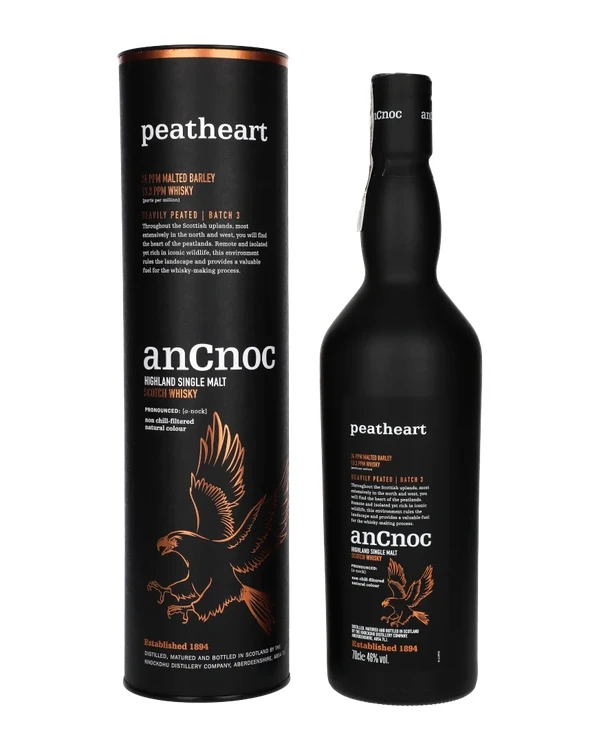
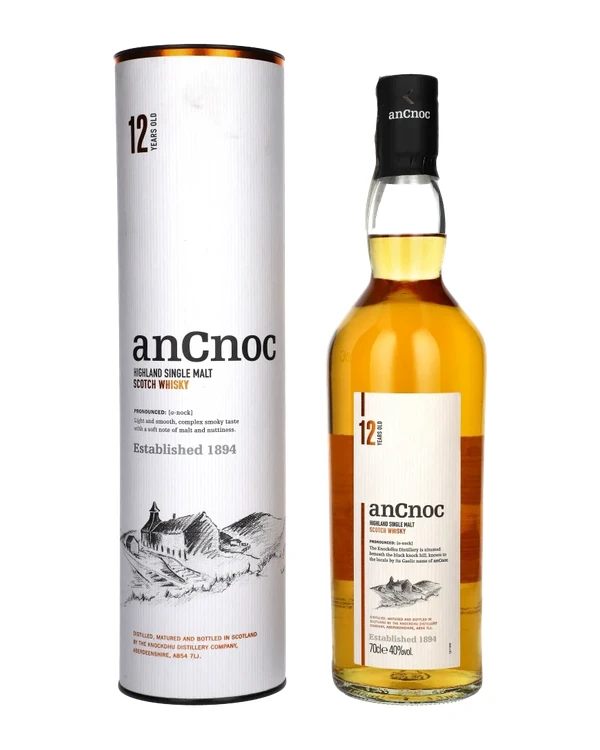
Geschichte
In 1877, Scotland’s largest grain distillers [Cambus, Cameronbridge, Carsebridge, Glenochil, Kirkliston and Port Dundas] joined forces to found the Distillers Company Limited [DCL] as a way of safeguarding their business against pot still distillers who at the time were switching between malt and grain depending on where the best profits were to be made.
In 1893, it made its first move outwith its Lowland grain heartland and built a distillery next to the village of Knock, just outside Keith, the first move in the creation what was to become the dominant player in Scotch whisky (DCL would eventually evolve into Diageo), encompassing grain and malt production as well as blending houses.
The site was chosen by DCL founding member John Haig & Sons because of its railway links, supply of local barley and availability of peat, and remained in the DCL stable until it was mothballed in 1983, one of many sites the firm had to close when the ‘whisky loch’ was at its deepest.
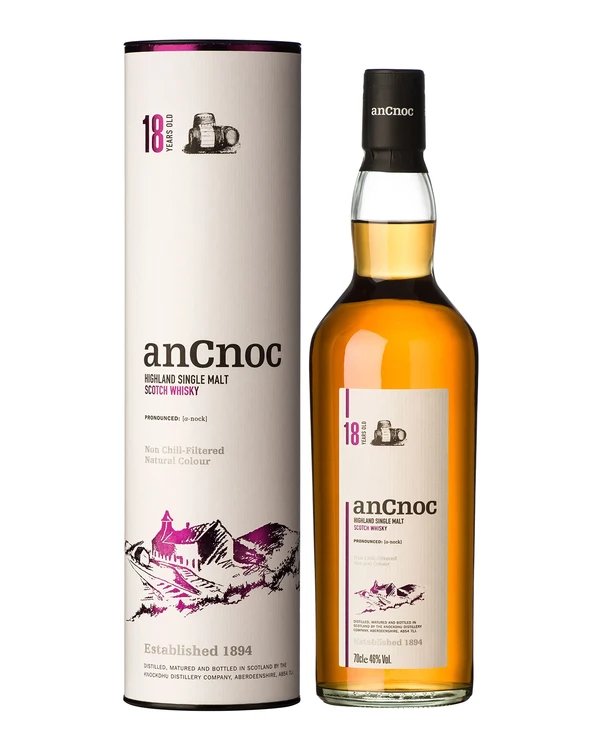
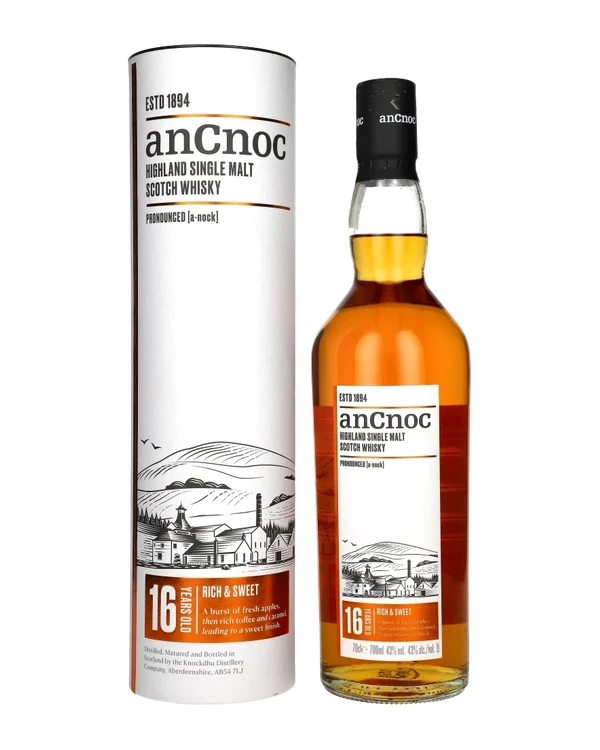
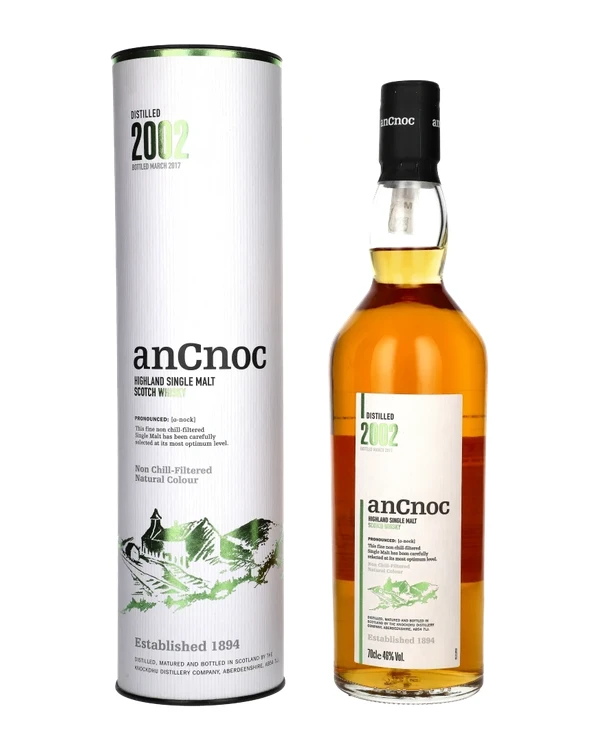
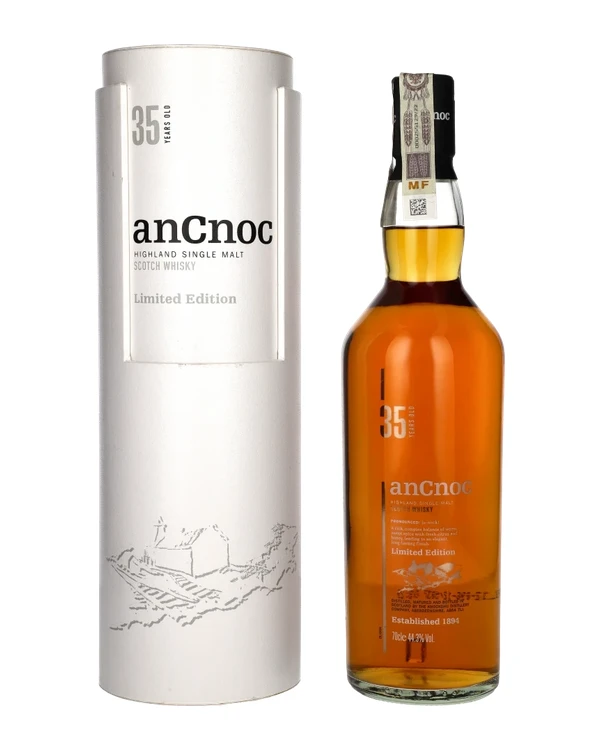
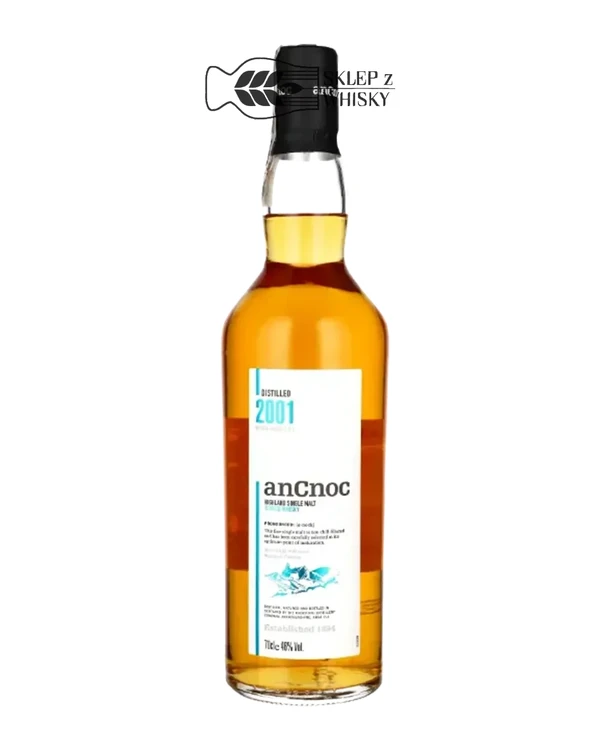
Its ownership passed to Inver House in 1988, who soon had a single malt on the market. This was called AnCnoc, rather than the distillery name, which Inver House felt was too similar to the already established Knockando.
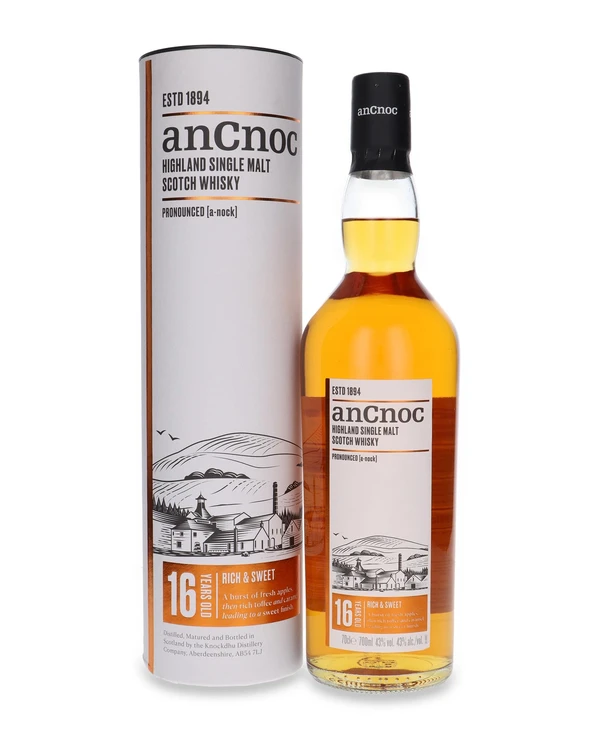
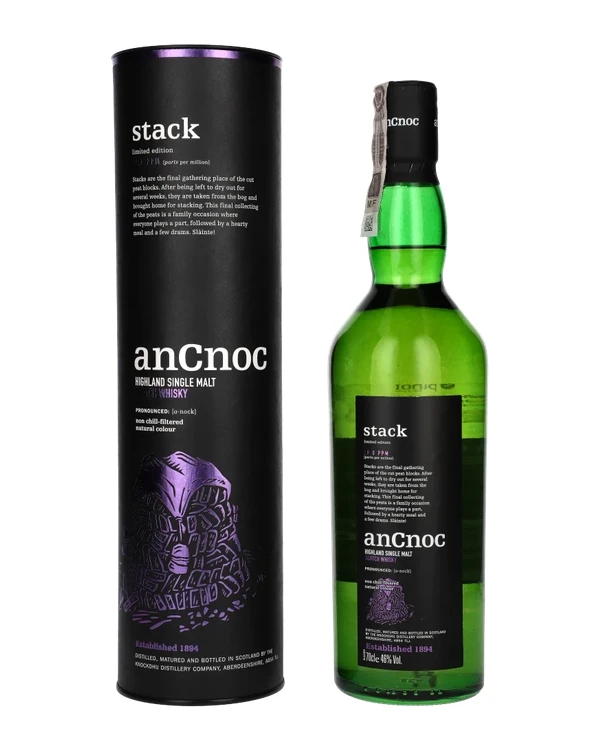
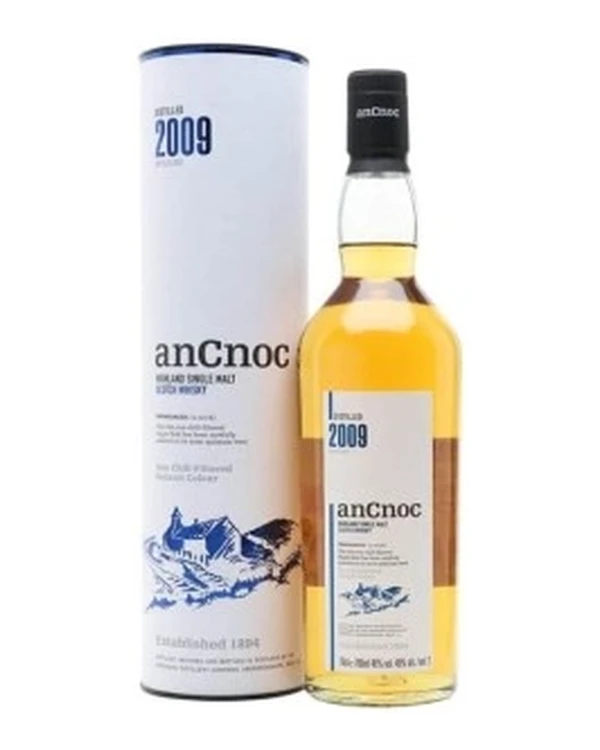
In recent years Inver House has created a wetland area outside the distillery where the distillery’s spent lees is treated. A range has now been established, with 12, 16 and 21-year-old expressions at its core, supported by annual vintage releases.
Zeitleiste
- 1877 Scotland's largest grain distilleries join forces to create Distillers Company Limited
- 1893 DCL constructs a distillery in Knock and begins production the following year
- 1930 Scottish Malt Distillers assumes control of Knockdhu
- 1983 Knockdhu has a good run but is closed due to lack of demand
- 1988 Inver House Distillers purchases Knockdhu and reopens it the next year
- 1990 The first official bottling of Knockdhu single malt is released
- 1993 A second brand from the distillery, Ancnoc, is introduced
- 2001 Pacific Spirits acquires Inver House for $85m
- 2006 International Beverage Holdings buys out Pacific Spirits UK
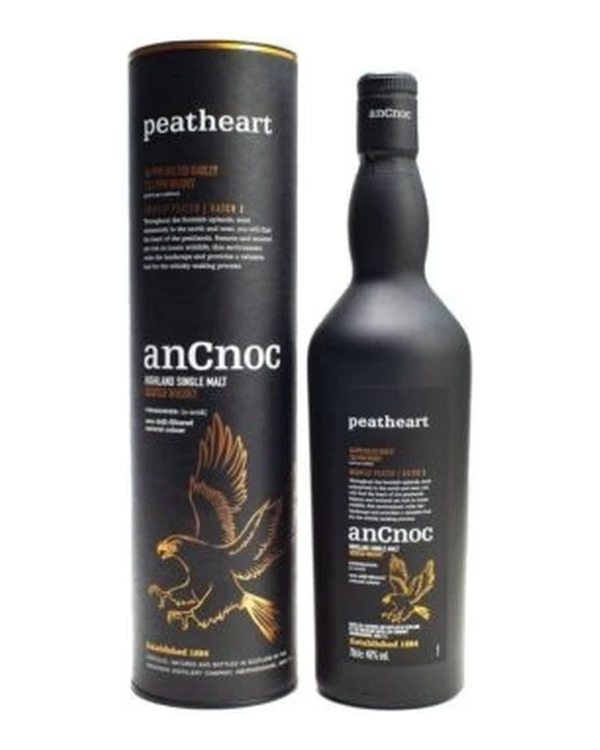
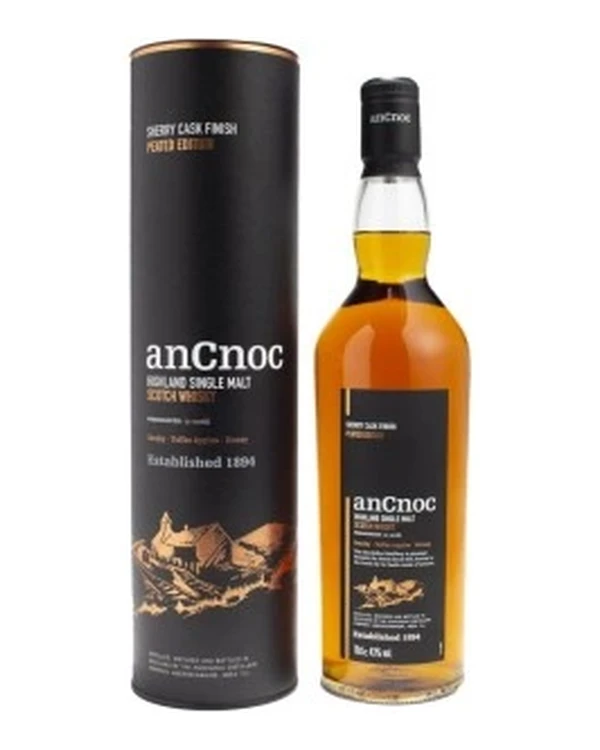
- 2014 The first peated Ancnoc appears in the form of the Peat Cutter range
Produktionsfakten
- Capacity (mlpa)
- 1.75
- Condenser Type
- Shell and tube
- Fermentation Time
- 60hrs
- Filling Strength
- 69%
- Grist Weight (t)
- 5
- Heat Source
- Steam
- Malt Specification
- Mainly unpeated, HP malt phenols at 48 ppm
- Malt Supplier
- Crisp, Boortmalt
- Mash Tun Type
- Semi lauter
- New-make Phenol Level
- 28-35ppm
- New-make Strength
- 69%
- Single Malt Percentage
- 20%
- Spirit Still Charge (l)
- 14,300
- Spirit Still Shape
- Wide shouldered pot, small boil ball, tall head.
- Spirit Still Size (l)
- 16,600
- Stills
- 2 (1 wash, 1 spirit)
- Warehousing
- One racked and three dunnage warehouses
- Wash Still Charge (l)
- 11,300
- Wash Still Shape
- Wide shouldered pot, small boil ball, tall head.
- Wash Still Size (l)
- 12,000
- Washback Charge (l)
- 22,600
- Washback Size (l)
- 30,000
- Washback Type
- Wood
- Water Source
- Four springs from Knock Hill
- Wort Clarity
- Clear
- Yeast Type
- Mauri Pinnacle cream