Balblair
Place in the hierarchy
The distillery in brief
Even though the marketing of its single malts is highly contemporary, Inver House believes in an old-style, traditional way of making whisky. Balblair is a good example of this approach.
Core bottlings
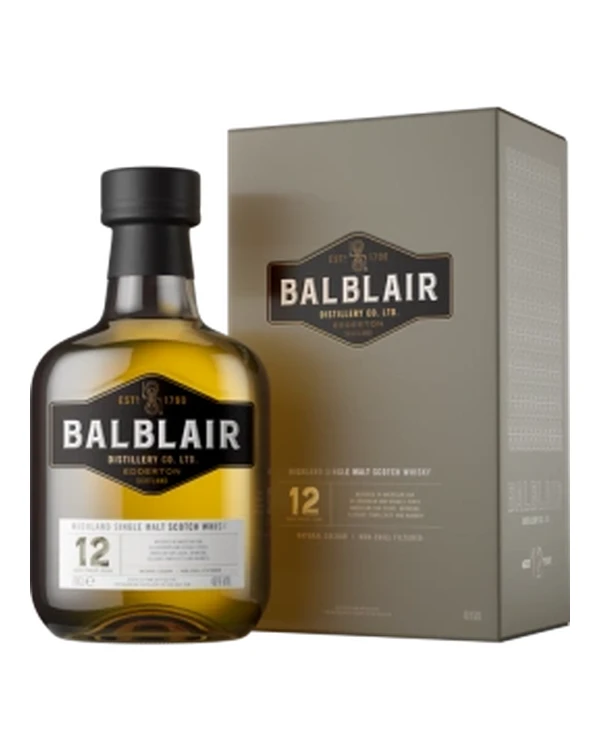
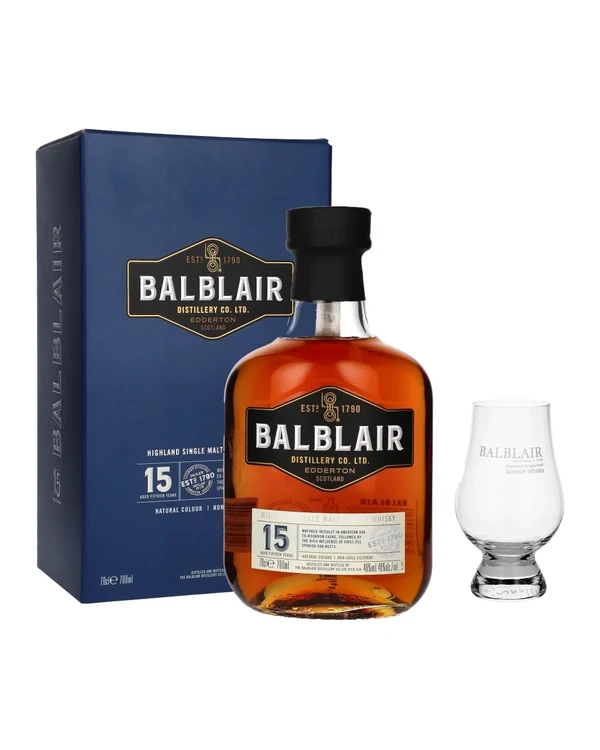
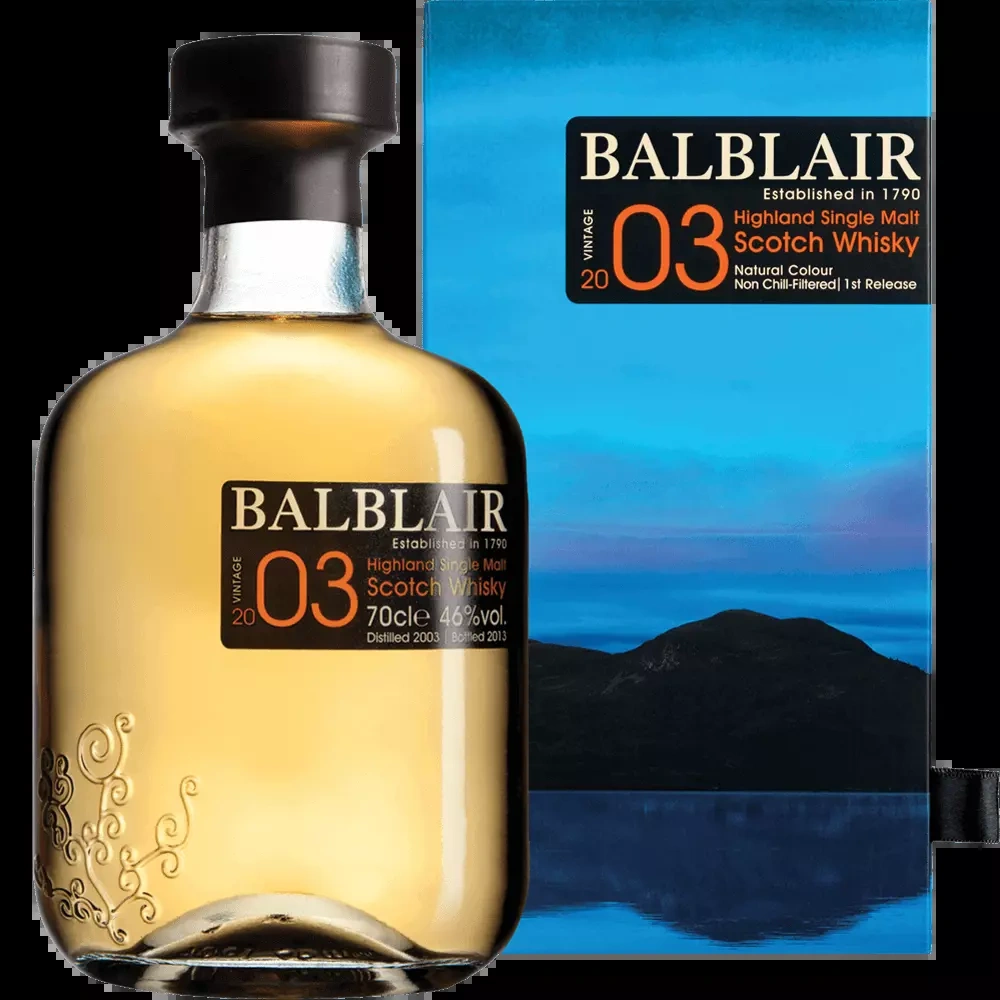
History
The first Balblair distillery was built by the Ross family near Edderton in 1790, but in 1872 production was shifted to a new site next to the (then new) railway line which linked Wick to Inverness. The Ross family ran the site for its first 100 years, before Alexander Cowan took charge, but like so many distilleries it suffered at the start of the 20th century and was closed in 1911, not reopening until after WWII when Churchill set out his edict that whisky needed to be made, and sold to the US.
Robert ‘Bertie’ Cumming, the owner of Old Pulteney, bought the silent site and ran it until 1970 when Canadian distiller Hiram Walker took over – before it was absorbed into what became Allied Distillers . The latter firm sold it on to the enterprising Inver House in 1996.
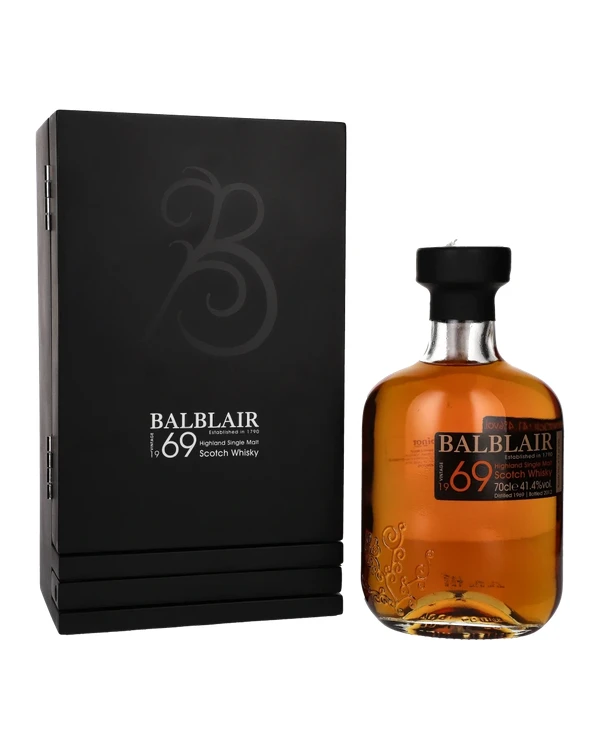
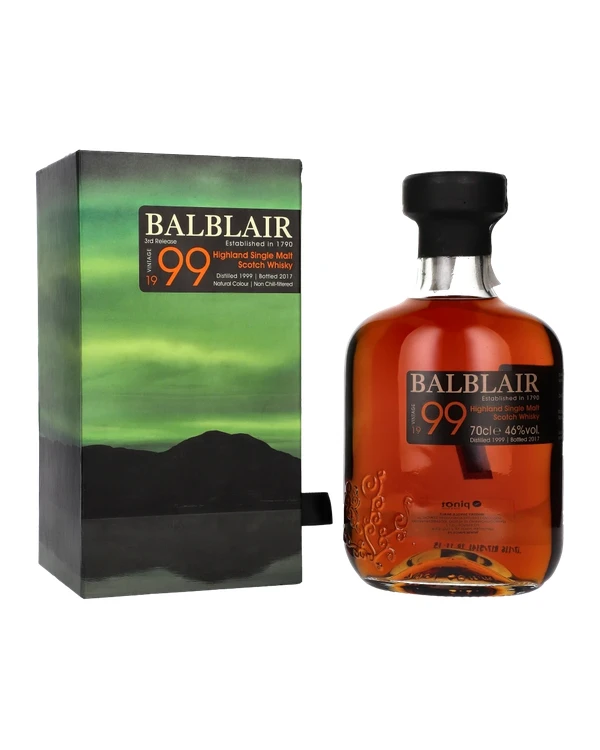
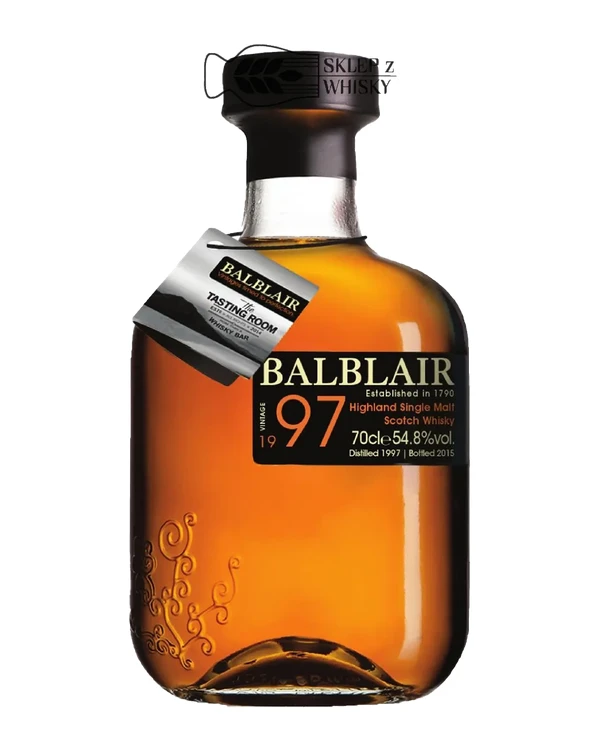
Bottlings had been intermittent – Balblair Elements was released in 2000 – but in 2007, Inver House radically repackaged the single malt and, taking a leaf from Glenrothes’ book, began bottling it in ’vintage’ releases. From being a pretty much unknown malt, the new look and the quality of the liquid were both revelatory.
In 2013 Balblair acted as the distillery where the (fictitious) only extant cask of Malt Mill was auctioned in Ken Loach’s whisky caper ‘The Angel’s Share’.
Timeline
- 1790 Balblair distillery is founded by John Ross, whose family runs production for 100 years
- 1894 James Ross sells Balblair to Inverness wine merchant Alexander Cowan, who builds a new still house, mash house, kiln and barns
- 1895 The distillery is moved half a mile north to take advantage of the new Inverness to Ardgay railway line
- 1911 Balblair is mothballed
- 1932 The last drop of whisky left in Balblair’s warehouses is sold
- 1939 The distillery is commandeered by the army for the duration of World War II
- 1948 Banff solicitor and owner of Old Pulteney, Robert James ‘Bertie’ Cumming, purchases the distillery for £48,000
- 1949 Production resumes at the distillery for the first time since before WWI
- 1964 Balblair distillery expands with the addition of further warehousing and its first steam boiler
- 1970 Cummings sells the distillery to Hiram Walker, which later became Allied Distillers
- 1996 Inver House Distillers purchases Balblair
- 2007 Balblair decides to only release vintage bottlings, the first three of which are a 1997, 1989 and 1979 expressions
- 2013 Vintages are replaced throughout the years as stocks run out, but in 2013 the distillery released three new vintages: 2003, 1990 and 1983.
Production facts
- Capacity (mlpa)
- 1.6
- Condenser Type
- Shell and tube
- Fermentation Time
- 48hrs
- Filling Strength
- 68%
- Grist Weight (t)
- 4.75
- Heat Source
- Steam
- Malt Specification
- 1.5ppm
- Malt Supplier
- Crisp, Bairds, Boort
- Mash Tun Material
- Stainless Steel
- Mash Tun Type
- Semi Lauter
- New-make Phenol Level
- 0ppm
- New-make Strength
- 68%
- Spirit Still Charge (l)
- 11,751
- Spirit Still Shape
- Classic
- Stills
- 2
- Warehousing
- 8 dunnage warehouses
- Wash Still Charge (l)
- 19,000
- Wash Still Shape
- Classic
- Washback Size (l)
- 21,500
- Washback Type
- Wood
- Washbacks
- 6
- Water Source
- Allt Dearg Burn
- Wort Clarity
- Fine, bright wort
- Yeast Type
- Mauri MX liquid