Highland Park
Place in the hierarchy
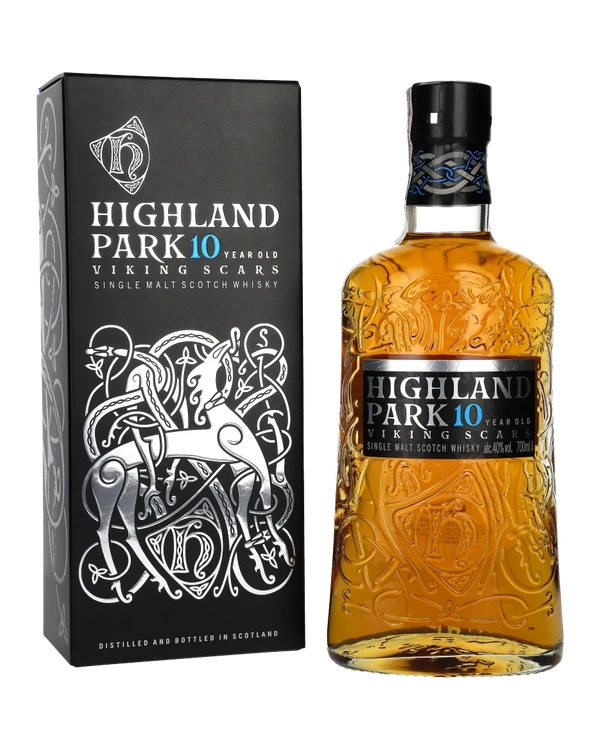
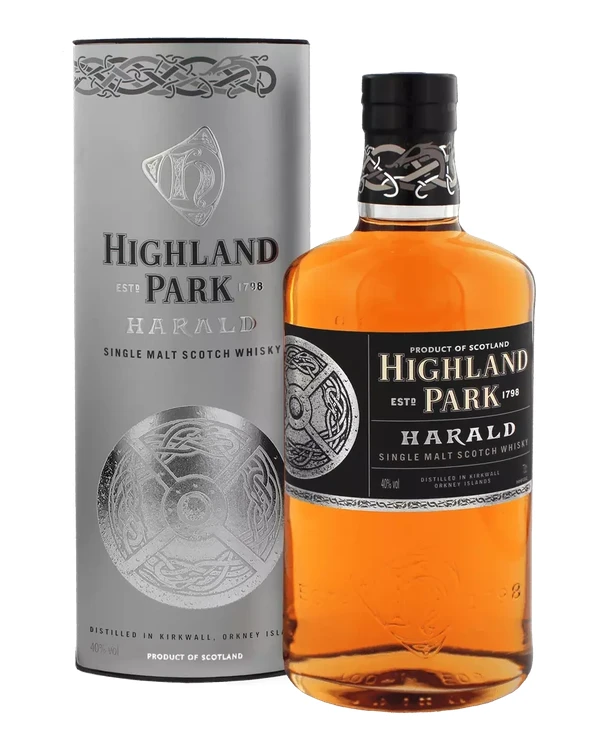
The distillery in brief
A peat fire burns at the heart of Highland Park. An Orcadian peat fire to be precise. This is significant not just in retention of heritage, but in flavour terms.
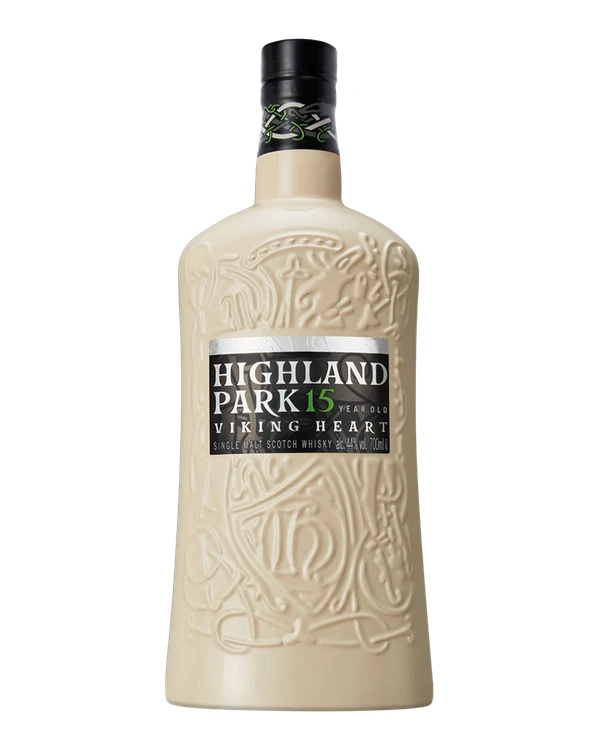
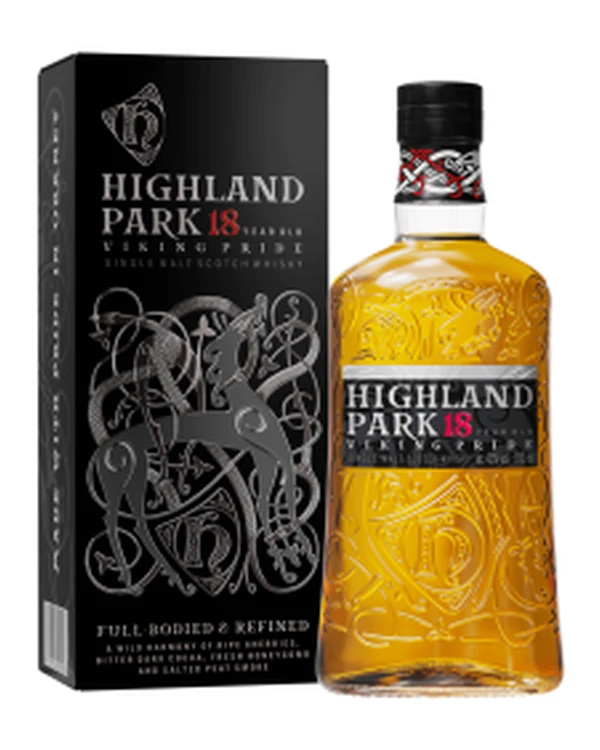
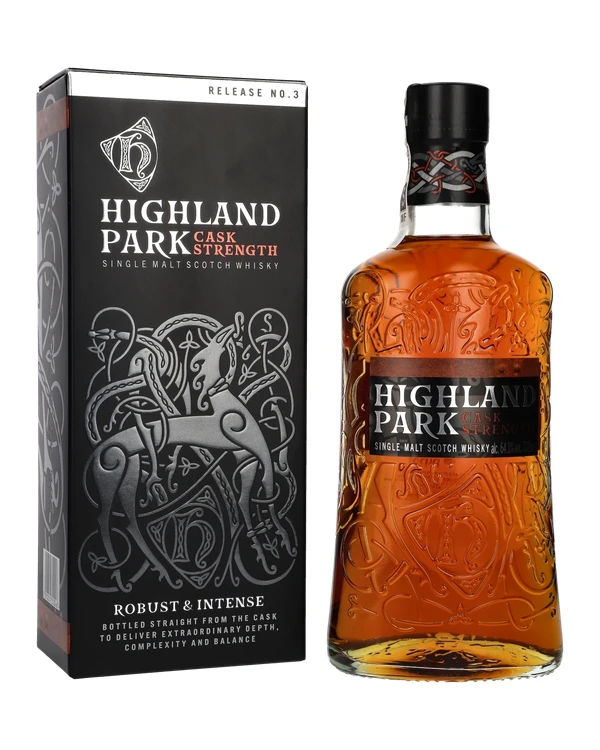
Core bottlings
History
The origins of distilleries are often, as they should be, obscured by the clouds of half-truth and myth. Such is the case with Highland Park. Was it founded by famed priest turned smuggler Magnus Eunson, or by farmer David Robertson in 1798? The distillery’s ornate wrought ironwork gate certainly attests to the 1798 story.
Was it always called Highland Park or originally was it known as Rosebank, then Kirkwall and only becoming Highland Park later?
Whatever the slight mystery over its origins, it is accepted that it wasn’t until the late 19th century that Kirkwall’s then only distillery found its feet properly in the 1870s under the ownership of first William Stuart [who owned Miltonduff] and from 1885 with his business partner James Grant (previously the manager of The Glenlivet) who took full control in 1895. It was Grant who expanded the distillery twice and built up a strong relationship with Robertson & Baxter (R&B).
Highland Distillers (who had shares in R&B) took full control in 1937 and Highland Park is now part of the Edrington Group.
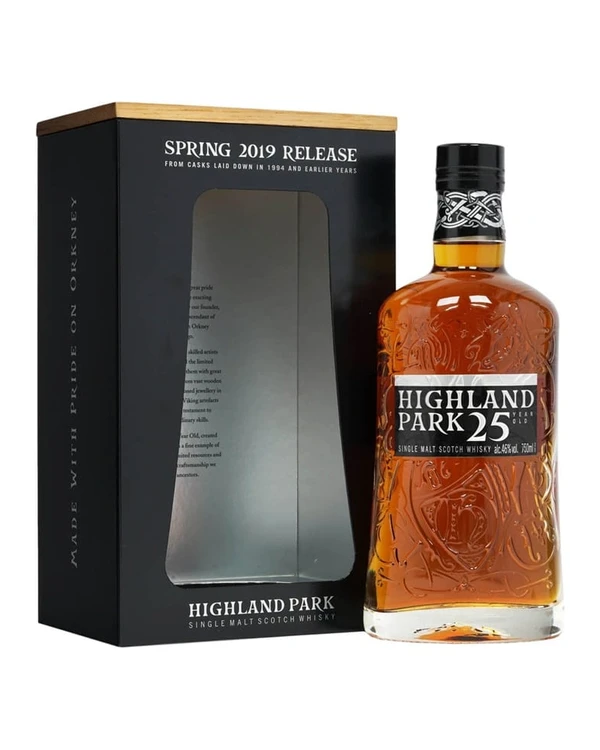
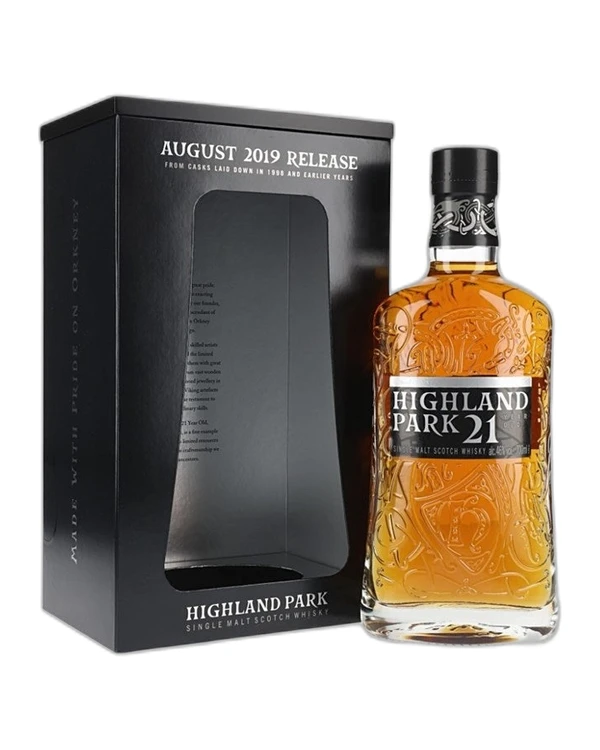
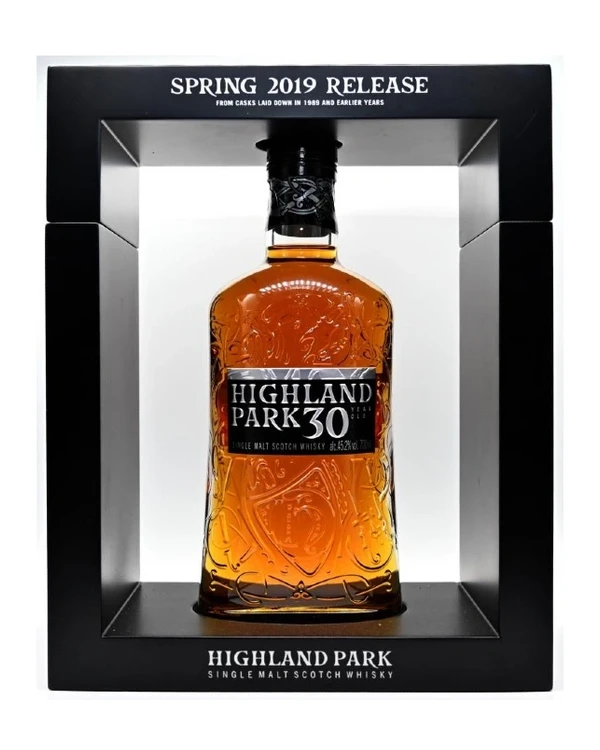
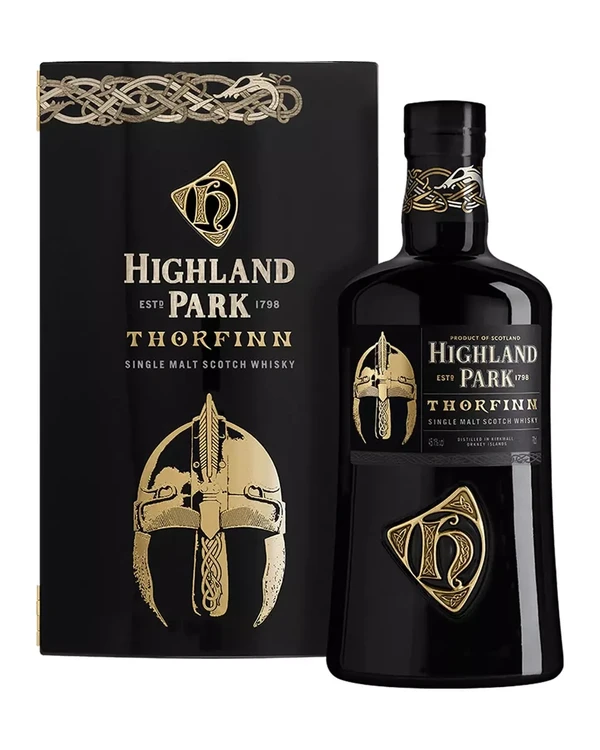
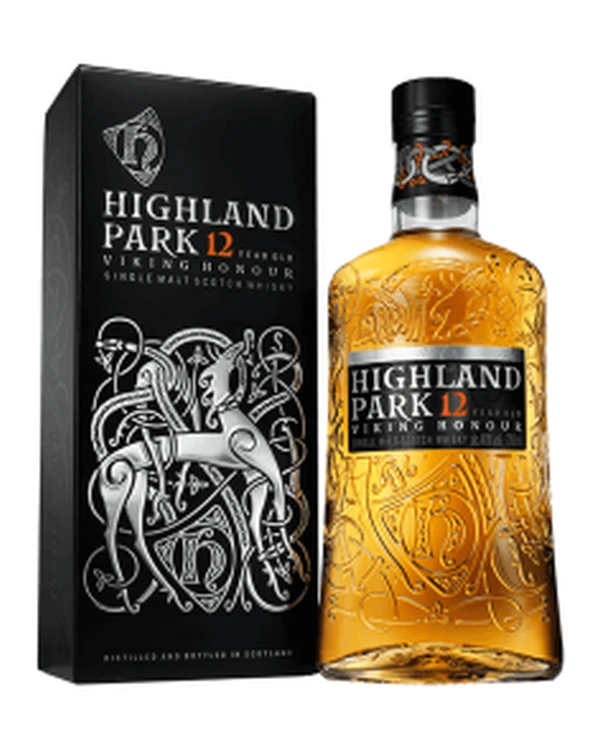
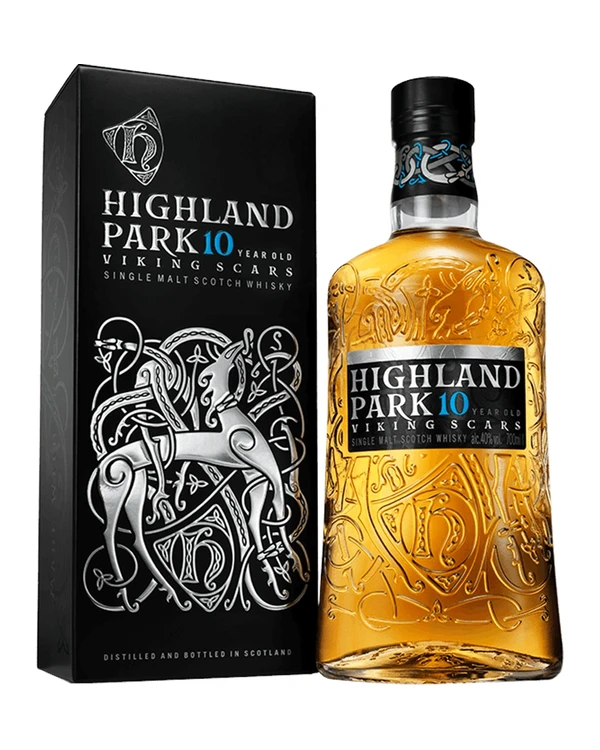
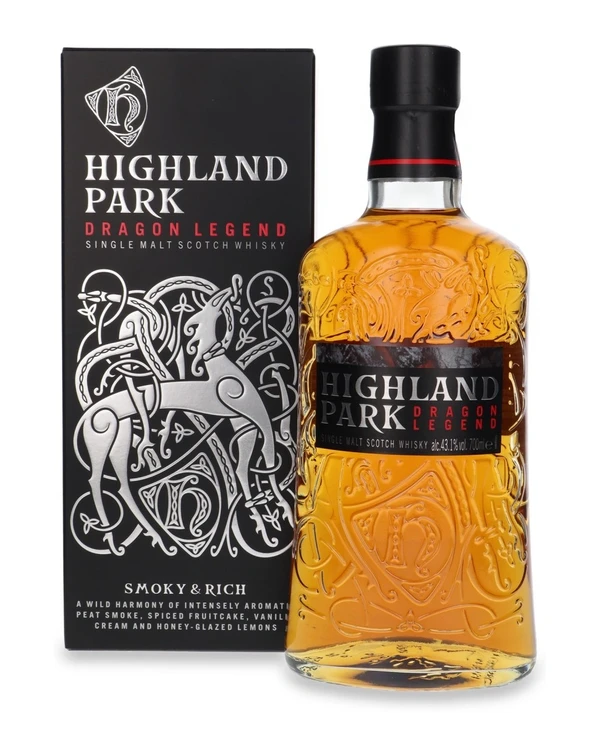
It first appeared as single malt in the late 1970s, as an eight-year-old, but the packaging was revamped in the 1980s (and repeatedly ever since) when the 12- and 18-year-old expressions were introduced. It soon built up a strong, even cult, following with the range expanding continually. As well as a core range with age statements, various series have been released themed around Orcadian history and Norse gods.
Timeline
- 1798 Highland Park Distillery is founded by David Robertson
- 1816 Excise officer John Robertson assumes control of production
- 1826 The distillery becomes one of the first to obtain a license to distil; Robert Borwick takes over
- 1840 Borwick's son, George, is handed the reins
- 1869 George's brother, James, takes over but attempts to sell the distillery
- 1876 Exports to Norway and India begin under Stuart & Mackay
- 1895 Glenlivet's James Grant purchases Highland Park, expanding it to four stills three years later
- 1937 Highland Distillers acquires Highland Park
- 1986 Highland Park visitors' centre opens
- 1999 Edrington and William Grant & Sons purchase Highland Distillers
- 2013 The Warriors range is introduced to duty free
Production facts
- Capacity (mlpa)
- 2.5
- Condenser Type
- Shell and tube
- Fermentation Time
- 52-96hrs
- Filling Strength
- 69.5%
- Grist Weight (t)
- 6.4
- Heat Source
- Steam coils
- Malt Supplier
- Simpsons
- Mash Tun Type
- Semi Lauter
- New-make Phenol Level
- Less than 3ppm
- New-make Strength
- 70%
- Single Malt Percentage
- 33%
- Spirit Still Charge (l)
- 9,000
- Spirit Still Size (l)
- 12,000
- Stills
- 4
- Warehousing
- 28,000 butt equivalent capacity
- Wash Still Charge (l)
- 14,500
- Wash Still Size (l)
- 18,000
- Washback Charge (l)
- 29,000
- Washback Size (l)
- 36,000
- Washback Type
- Wood
- Washbacks
- 12
- Water Source
- Crantit
- Yeast Type
- Kerry M & MX