Longmorn
Place in the hierarchy
The distillery in brief
Longmorn has quietly provided a sweet and deeply fruity component to a multiplicity of blends since its founding. Its ferments are long, the distillation takes place in eight thick-necked stills, giving a make which is weighty enough to age well in both ex-Sherry and ex-Bourbon.
Core bottlings
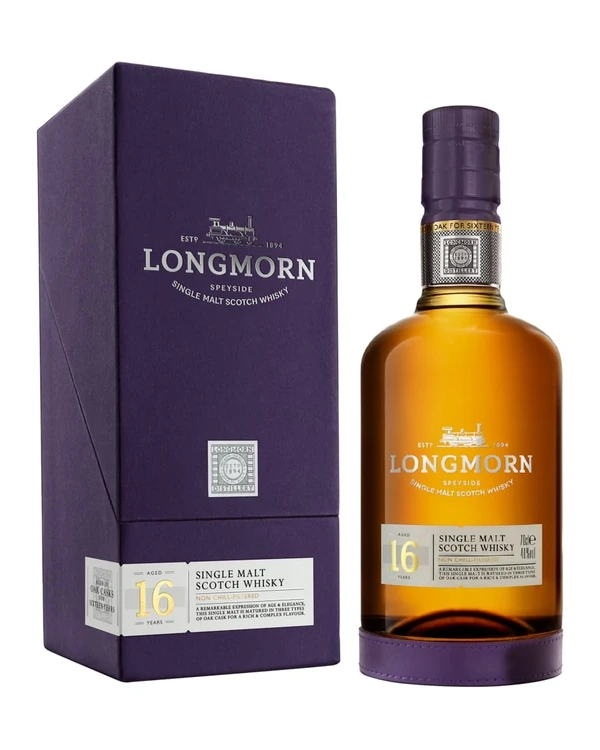
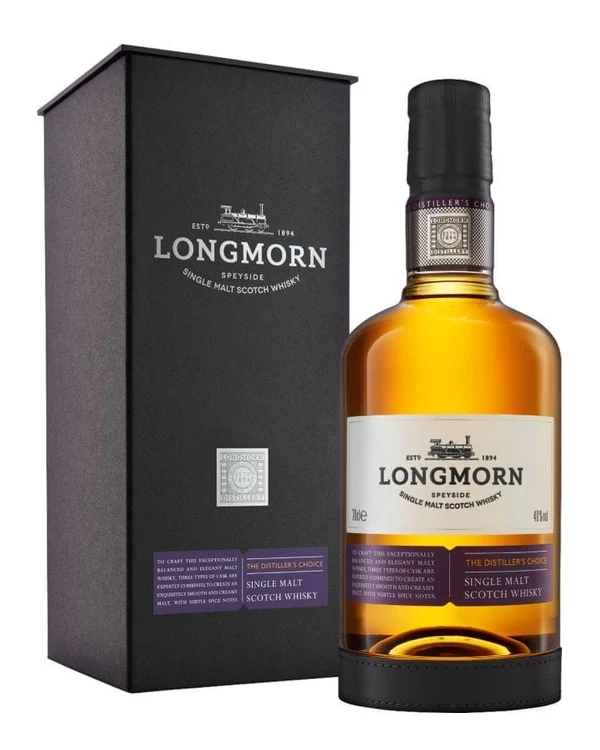
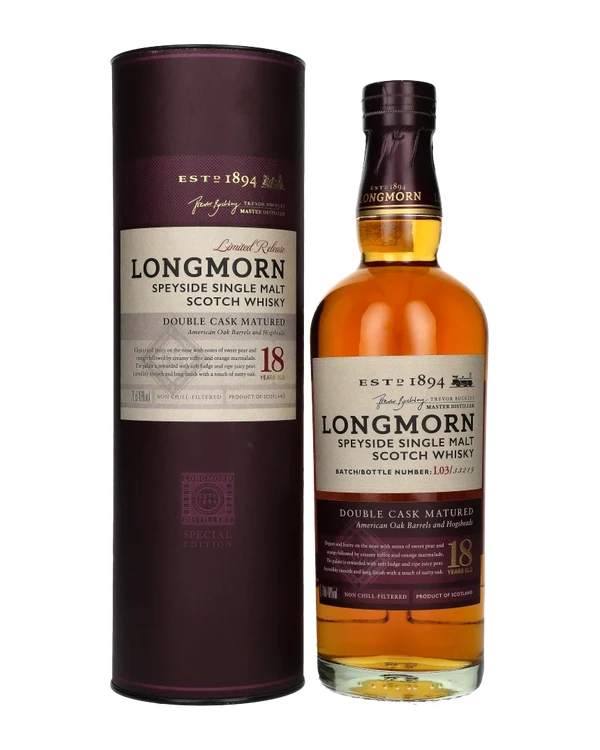
History
Longmorn was built by one of the 19th century’s most interesting whisky entrepreneurs, John Duff. He was born in Aberchirder, worked at GlenDronach, and after designing nearby Glenlossie in 1876, headed to South Africa to try and start a whisky industry there. He failed (as did most, until very recently) and headed to the US to try his hand there. Knocked back once more he returned home and, undeterred, built Longmorn in 1893. Five years after he built another plant next door – Benriach.
It was not an ideal time to build two new plants and in 1899 he was forced to sell to James Grant. Although Duff’s business was not sound, his whisky was and by the start of the 20th century Longmorn was a prize malt, used in a variety of blends including VAT 69 and Dewar’s. In 1920, the young Masataka Taketsuru, one of the fathers of Japanese whisky and founder of Nikka, spent a short period working in the distillery. The stills at Nikka’s two distilleries are said to be modelled on Longmorn’s.
In 1970, the Grant family and blender Hill Thompson (which had a long relationship with Longmorn) merged with The Glenlivet & Glen Grant Distilleries Ltd to create The Glenlivet Distilleries Ltd. This was bought by Seagram in 1977 and (minus Glen Grant) is now part of Chivas Brothers.
Timeline
- 1893 John Duff, having already built Glenlossie some 20 years earlier, builds Longmorn distillery
- 1897 Duff buys out his partners in the company
- 1898 Duff decides to build Benriach distillery next door to Longmorn
- 1899 With the whisky industry teetering, Duff is forced to sell his business to James Grant
- 1920 Masataka Taketsuru, founder of Japanese company Nikka, trains at Longmorn
- 1970 Hill Thompson and The Glenlivet & Glen Grant Distilleries merge to form The Glenlivet Distilleries
- 1972 Longmorn's stills are increased from four to six and the spirit stills switched to steam heating
- 1974 Two further stills are installed
- 1977 Seagram acquires the distillery through its acquisition of The Glenlivet Distilleries
- 1994 Longmorn's wash stills are brought into line with its spirit stills with steam heating added
- 2001 Pernod Ricard buys out Seagram's Chivas Brothers whisky portfolio
- 2007 Longmorn 16 Year Old is launched
- 2012 The distillery is refurbished with upgrades made to the mash tun and washbacks
Production facts
- Capacity (mlpa)
- 4.5005
- Condenser Type
- Shell and tube - multi pass
- Fermentation Time
- 50hrs
- Grist Weight (t)
- 8.5
- Heat Source
- Steam - thermo compression/heating coils
- Malt Specification
- Non peated
- Malt Supplier
- Bairds, Boort
- Mash Tun Type
- Lauter
- New-make Strength
- 72%
- Spirit Still Charge (l)
- 7,200
- Spirit Still Shape
- Onion
- Stills
- 8 (4 wash, 4 spirit)
- Wash Still Charge (l)
- 9,750
- Wash Still Shape
- Onion
- Wash Still Size (l)
- 10,800
- Washback Size (l)
- 39,000
- Washback Type
- Stainless steel
- Washbacks
- 10
- Water Source
- Bore Hole
- Wort Clarity
- Less than 20 EBC
- Yeast Type
- Kerry
Ownership
Previous owners (4)
In catalogue All in catalogue