Dalwhinnie
Place in the hierarchy
The distillery in brief
Dalwhinnie may be another of the sweet, honeyed – in its case almost sticky – single malts, but it does not start life in this highly amenable fashion.
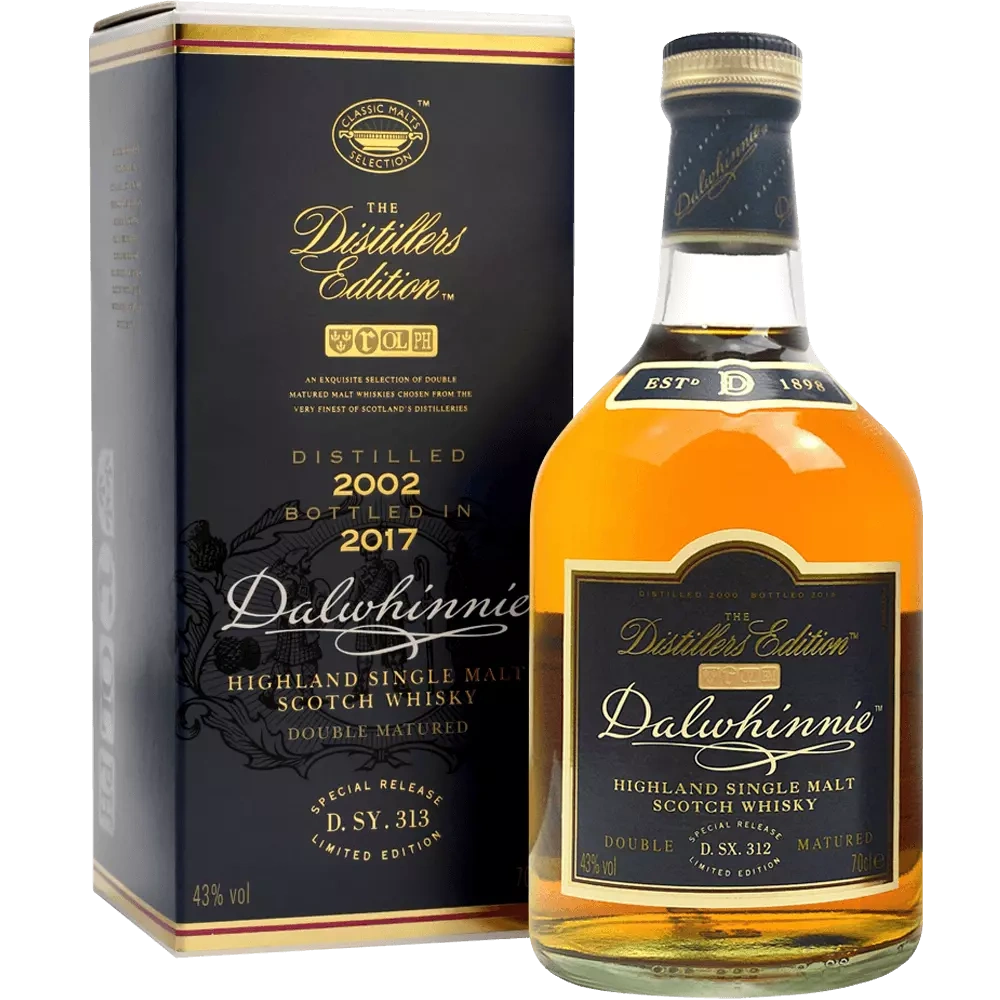
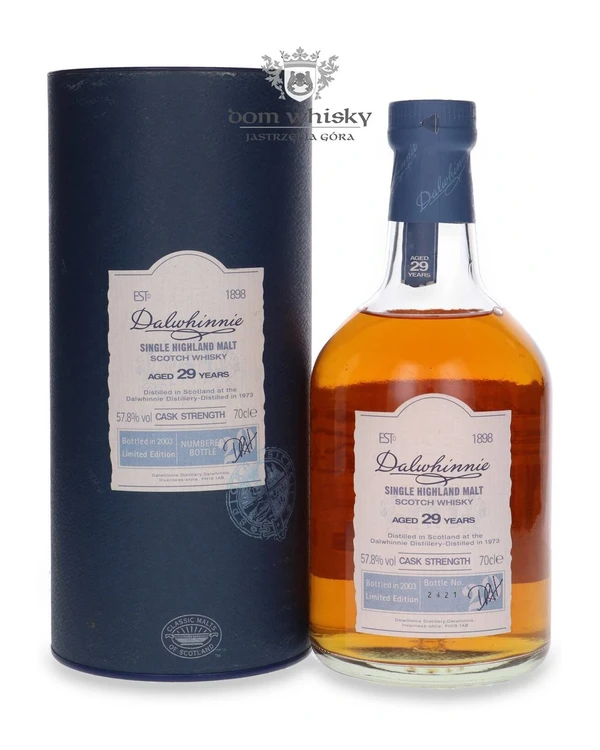
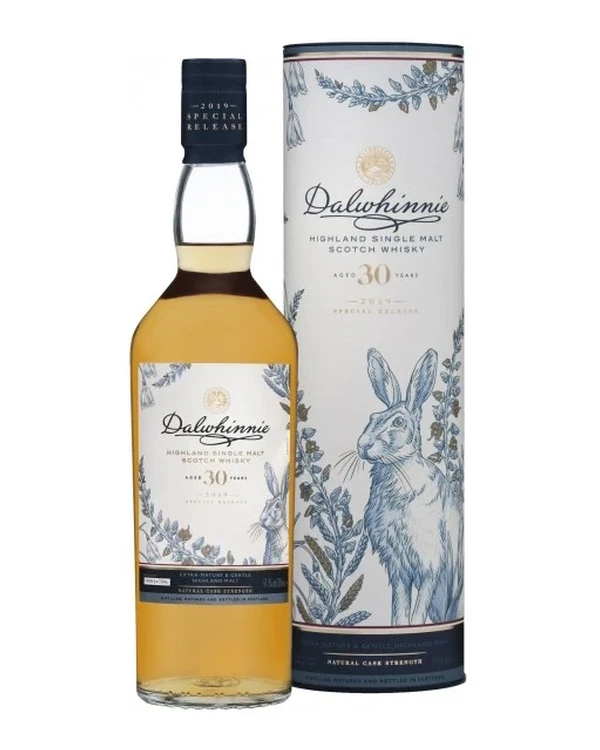
Core bottlings
History
Given the importance to the whisky trade of the railway line which linked Inverness (and Speyside) with the central belt, it is surprising that it took until 1897 for a distillery to be built close to the settlement nearest its highest point, Dalwhinnie.
There is much made of the fact that, in Gaelic, Dalwhinnie means ‘the meeting place’ and the fact that this was the spot where three major drove roads joined. From here, huge herds of black [Highland] cattle headed south to market at Falkirk in much the same way as whisky would more than 100 years later.
These herds were a perfect cover for whisky smugglers (tales abound of small casks being hidden under the hairy pelts of the beasts), but there is no record of whisky being made at this point. Dalwhinnie, more likely, was a place where it would have been drunk.
Three local businessmen, John Grant, George Sellar and Alexander Mackenzie, joined together to reverse this state of affairs, but their Strathspey distillery [the plant lies close to the river] failed. Its second set of owners fared little better, and in 1905 it was sold, as Dalwhinnie, to American distiller Cook & Bernheimer, making this the first Scotch distillery to be owned by a non-UK company, a relationship which ended 14 years later when blenders Macdonald Greenless took charge.
That firm then merged with DCL [now Diageo] in 1926, with the licence for Dalwhinnie being passed to James Buchanan [of Black & White fame]. In 1988 it was chosen as the Highland representative in the Classic Malts selection.
Though well connected by road and rail, Dalwhinnie’s exposed location means that it is regularly cut off in winter – it holds the dubious distinction of being the coldest settlement in the UK, with an average temperature of 6˚C.
Timeline
- 1897 Alexander Mackenzie, John grant and George Sellar begin work on Strathspey distillery
- 1898 Production begins at Strathspey but the trio encounter financial issues and the site is sold to John Somerville & Co, and AP Blyth & Sons who change the name to Dalwhinnie
- 1905 Cook and Bernheimer, at the time America's largest distillers, buy the distillery for just £1,250 at auction
- 1919 Macdonald Greenlees & Williams buys Dalwhinnie
- 1926 The group is acquired by DCL which licenses the distillery to James Buchanan & Co
- 1934 A fire forces the distillery to close
- 1938 Not to be held back, Dalwhinnie reopens once more
- 1968 Dalwhinnie's maltings are mothballed
- 1986 A thorough refurbishment sees the installation of shell and tube condensers, changing the new make character
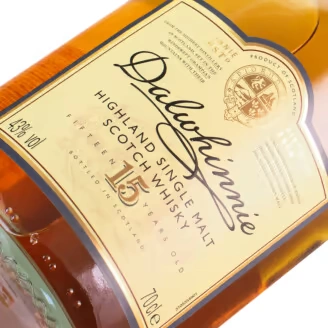
- 1988 The Dalwhinnie 15 is selected as part of the Classic Malts selection
- 1991 The Dalwhinnie visitors' centre is opened
- 1992 The distillery is closed for a complete £3.2m refurbishment, only reopening three years later
Production facts
- Condenser Type
- Worm tub
- Fermentation Time
- Minimum 60hrs
- Filling Strength
- 63.5%
- Grist Weight (t)
- 7.3
- Heat Source
- Steam
- Malt Specification
- Lightly peated
- Malt Supplier
- Mainly in house
- Mash Tun Type
- Lauter
- New-make Phenol Level
- Lightly peaty
- New-make Strength
- 66-68%
- Spirit Still Charge (l)
- 16,500
- Spirit Still Shape
- Plain
- Stills
- 2
- Wash Still Charge (l)
- 16,900
- Wash Still Shape
- Plain
- Washback Type
- Wood
- Washbacks
- 6
- Water Source
- Alt Ant Sluic Burn
- Wort Clarity
- Clear
- Yeast Type
- Creamed