Lagavulin
Place in the hierarchy
The distillery in brief
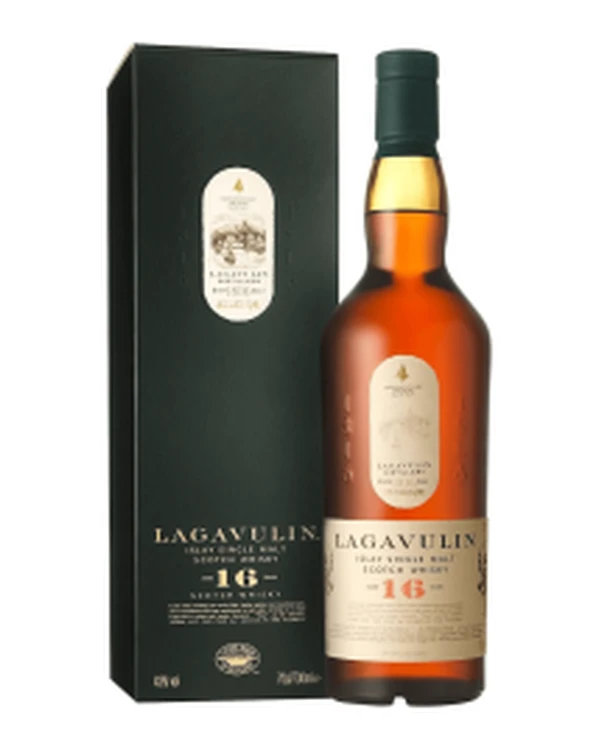
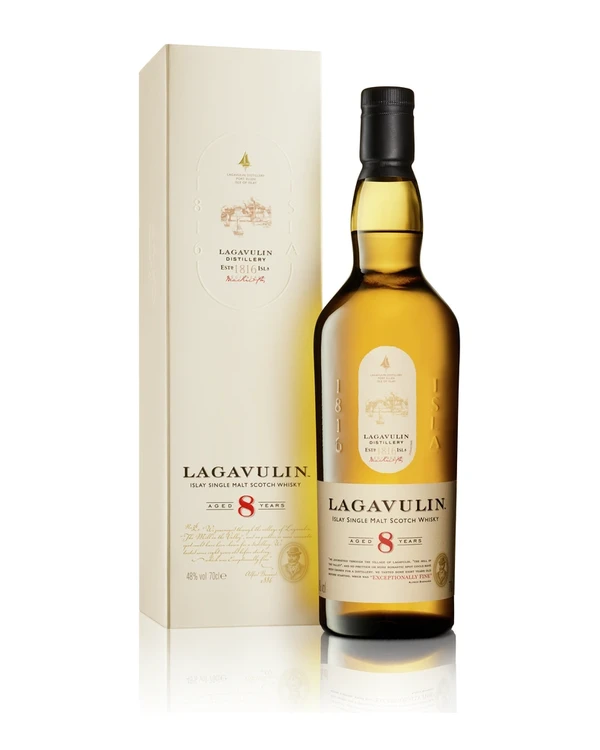
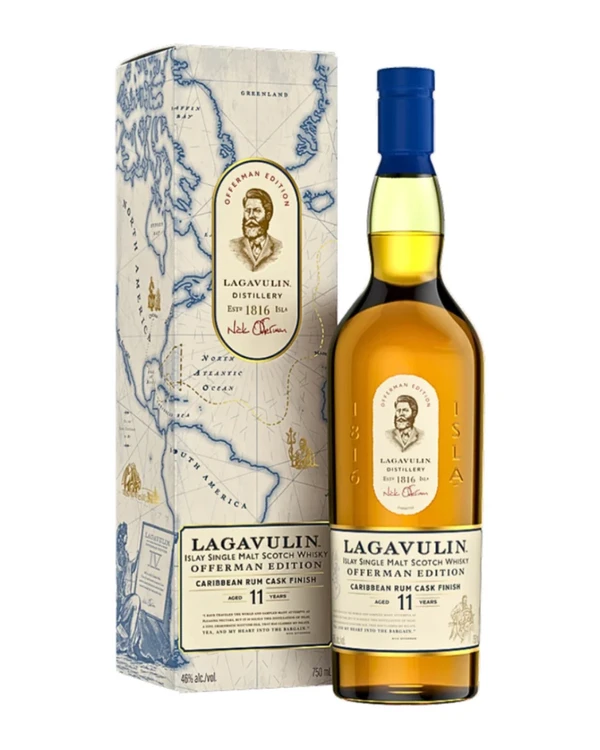
When Lagavulin 16 Year Old joined the Classic Malts portfolio in 1989, the belief within owner UD [now Diageo] was that it would be the single malt which only the most dedicated – even crazy – drinker would attempt to conquer. Smoke, it was felt in those early days of single malt, was a step too far for most people. Glenkinchie and Dalwhinnie, softer and easier going, would be the big sellers.
Core bottlings
History
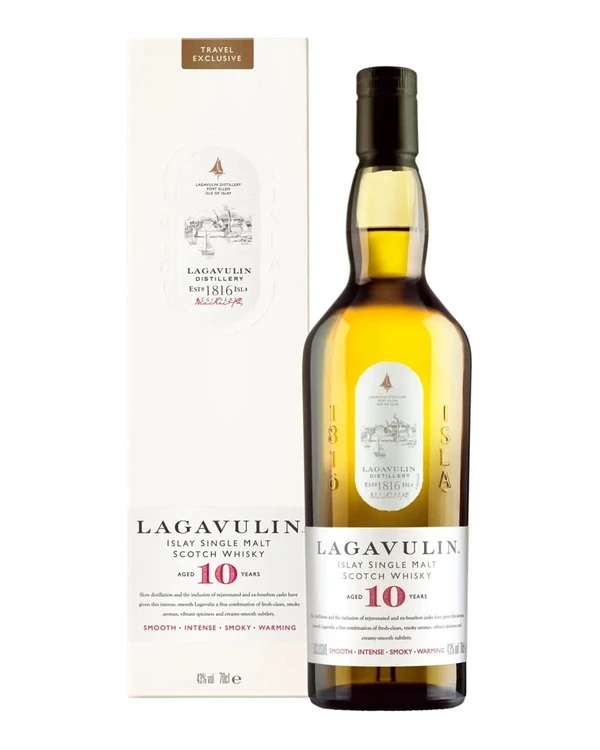
Founded on Islay’s south [Kildalton] coast and situated between Ardbeg and Laphroaig, legal distilling was started at Lagavulin in 1816 by John Johnston. A second distillery shared the site which was first bought by the same family in 1825, before production was absorbed into Lagavulin in 1837.
It came to wider public awareness in 1862 when blender John Logan Mackie bought the distillery. His nephew Peter J. Mackie made the first of many trips to Islay in 1878 to learn the secrets of distilling and eventually take over production of Lagavulin. Sir Peter Mackie, as he became, was one of the pre-eminent figures of late 19th century whisky. He created the White Horse blend in 1890, co-founded Craigellachie distillery and was noted as a great innovator.
In 1908, irritated by the loss of the agency for Laphroaig, Mackie built a replica distillery at Lagavulin which he called Malt Mill. It ran until 1962 and though it was set up to produce the same character as Laphroaig – which is only two miles away – it never did. Neither did it make Lagavulin. A (fictitious) cask of Malt Mill played a central role in film director Ken Loach’s comedy The Angel’s Share .
The distillery floor maltings shut in 1974. They now form the visitor’s centre and admin offices.
Timeline
- 1816 Lagavulin is founded by John Johnstone in Port Ellen on Islay
- 1825 Johnstone branches out and also takes over the adjacent Ardmore distillery, which has lain closed since 1821
- 1835 Ten years after purchasing the distillery, Johnstone ceases production at Ardmore
- 1836 Johnstone dies and the distillery is purchased by Glasgow spirit merchant Alexander Graham
- 1837 The two distilleries are merged and operated as Lagavulin
- 1852 John Crawford Graham takes over the distillery
- 1862 Lagavulin moves into the hands of James Logan Mackie & Co who refurbishes it
- 1889 James Logan Mackie dies and his nephew, Peter Mackie, assumes control of the distillery
- 1890 The group changes its name to Mackie & Co and launches White Horse into export markets
- 1908 Mackie builds a second distillery on the site, Malt Mill
- 1924 When Peter Mackie passes away the group changes its name to White Horse Distillers
- 1927 White Horse Distillers becomes part of DCL
- 1941 The distillery is closed for the remainder of WWII
- 1951 A destructive fire breaks out at the distillery
- 1962 Malt Mill is closed
- 1974 Lagavulin's floor maltings are decommissioned
- 1988 Lagavulin 16 Year Old is selected as one of the six Classic Malts
- 2014 A triple-matured expression is released for the Friends of the Classic Malts
Production facts
- Condenser Type
- Shell and tube
- Fermentation Time
- Minimum 55hrs
- Filling Strength
- 63.5%
- Grist Weight (t)
- 4.4
- Heat Source
- Steam
- Malt Specification
- Heavy peated
- Malt Supplier
- Mainly in house
- Mash Tun Type
- Lauter
- New-make Phenol Level
- Heavily peated
- New-make Strength
- 68-69%
- Spirit Still Charge (l)
- 11,500
- Spirit Still Shape
- Plain
- Stills
- 4
- Wash Still Charge (l)
- 10,500
- Wash Still Shape
- Plain
- Washback Type
- Wood
- Washbacks
- 10
- Water Source
- Lochan Sholum
- Wort Clarity
- Clear/cloudy
- Yeast Type
- Creamed
Ownership
Previous owners (7)
In catalogue All in catalogue