Ardmore
Miejsce w hierarchii
Krótko o destylarni
Ardmore to destylarnia whisky słodowej położona w regionie Highland w Szkocji, w miejscowości Kennethmont, Aberdeenshire. Założona w 1898 roku przez Adama Teachera, od początku istnienia była kluczowym elementem dla blendu Teacher's Highland Cream. Obecnie destylarnia należy do koncernu Beam Suntory.
Ardmore wyróżnia się na tle innych destylarni z regionu Highland przede wszystkim swoim charakterystycznym, torfowym profilem. Jest jedną z nielicznych destylarni w tej części Szkocji, która konsekwentnie produkuje whisky z wyraźnym dymnym akcentem, co jest bardziej typowe dla Islay. Jej single malty charakteryzują się złożonym połączeniem nut torfowych, dymnych, często z akcentami wrzosu, wanilii i przypraw.
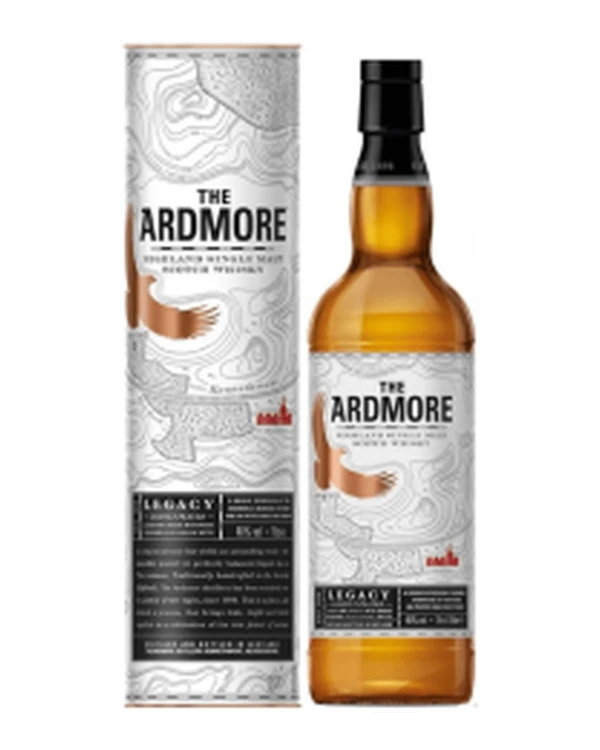
Tradycyjnie, większość produkcji Ardmore trafiała do wspomnianej whisky blended Teacher's. Jednak w ostatnich latach destylarnia coraz śmielej prezentuje swoje single malty, takie jak Ardmore Legacy czy Ardmore Tradition Peated, które zdobywają uznanie miłośników dymnych whisky. Oferują one bogate doświadczenie smakowe, łączące intensywność torfu z typową dla Highlandów elegancją i słodyczą.
Podstawowe bottlingi
Historia
It was in 1898 that Adam Teacher, son of Glasgow blender William Teacher, decided that the family firm needed its own malt whisky distillery. The site he chose, on the outskirts of the village of Kennethmont in rural Aberdeenshire, was on land owned by family friend Col. Leith-Hay [whose seat Leith Hall is open to the public]. It had water, there was a source of peat nearby, and the immediate surroundings grew barley. As significantly, given the vision Teacher had for the site, the railway between Inverness and Aberdeen ran alongside. By putting in a small branch line he could get casks and cow in, and whisky out.
Ardmore has remained in the Teacher’s stable ever since, providing smoke and also top notes to a blend which still sells over a million cases globally (its main markets today are India and Brazil). The original pair of stills were doubled in 1955 and then doubled again in 1974. Two years later, it became part of the Allied Distillers stable – the same year as the distillery’s Saladin maltings stopped. Its stills remained coal-fed until 2001.
When Allied was dismembered in 2006, Teacher’s, Ardmore and Laphroaig went to Beam and in 2014 it became part of the new Beam Suntory portfolio.
Its importance for its blend has meant that Ardmore has never had a presence as single malt. A quarter cask-finished bottling appeared a couple of years after Laphroaig Quarter Cask, but remained a small-scale release.
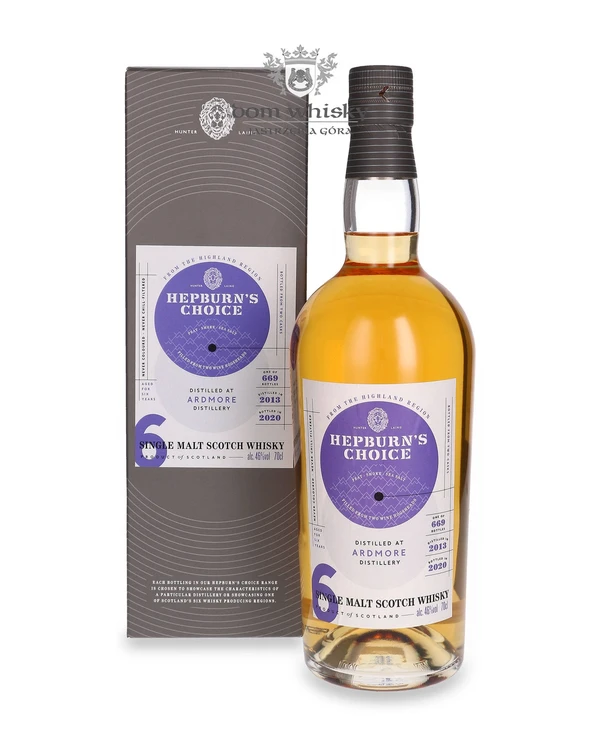
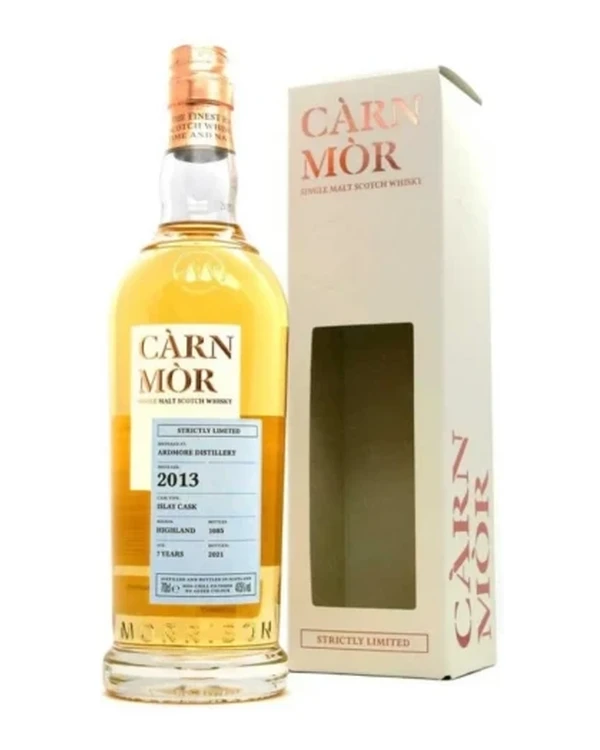
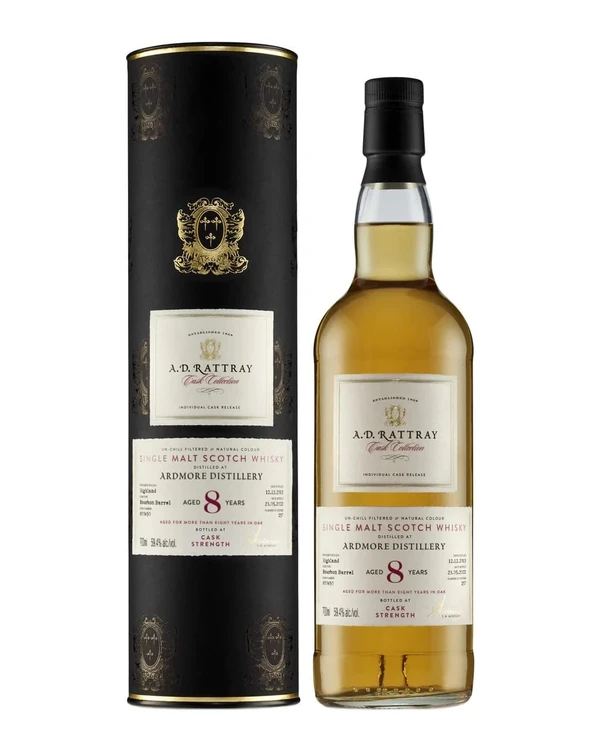
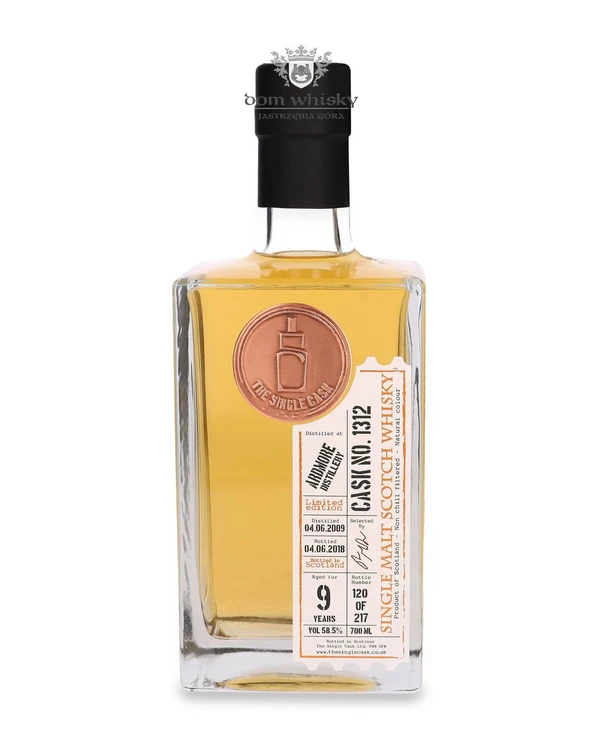
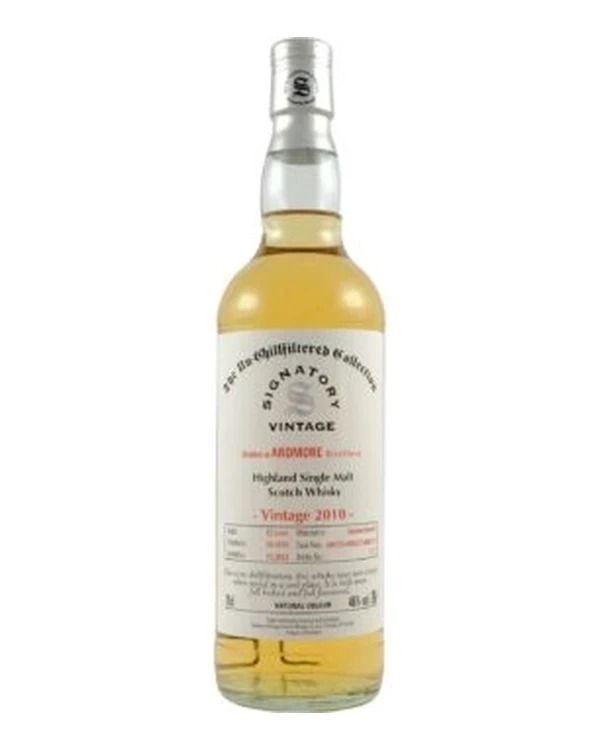
It has however built up a small but dedicated following among single malt aficionados who seek out the independent bottlings which appear – those from Gordon & MacPhail and Signatory Vintage appear the most frequently.
Kamienie milowe
- 1898 Adam Teacher, son of William, builds the Ardmore distillery
- 1923 Ardmore becomes a limited company
- 1955 The distillery is extended from two to four stills
- 1974 Ardmore is extended again to feature eight stills in total
- 1976 Ardmore joins Allied Distillers’ portfolio when Teachers merged with the group
- 2001 The distillery became one of the last in Scotland to switch from fire to steam-heated stills
- 2006 Ardmore is sold to Beam Global, along with Teacher’s and Laphroaig
- 2014 The distillery becomes part of Beam Suntory’s extensive world whisky portfolio
Informacje produkcyjne
- Moce produkcyjne (mln l/rok)
- 5.4
- Typ skraplacza
- Shell and tube
- Czas fermentacji
- 54hrs
- Moc przy napełnianiu
- 63.5%
- Masa śruty (t)
- 12.48
- Źródło ciepła
- Steam (heavy fuel boiler)
- Specyfikacja słodu
- Ardmore - medium peated, 12-14 ppm. Ardlair - plain malt
- Dostawca słodu
- Bairds, Boort and Crisp
- Materiał kadzi zaciernej
- Cast iron body, copper dome
- Typ kadzi zaciernej
- Semi Lauter
- Poziom fenoli (new make)
- 3.5-6ppm
- Moc new make
- 67.5%
- Udział single malt
- 1
- Wsad spirit still (l)
- 15,500
- Kształt spirit still
- Onion
- Alembiki
- 8 (4 wash, 4 spirit)
- Magazynowanie
- 6 dunnage warehouses (3.6 Mola capacity) and 3 racked Warehouses (3 Mola capacity)
- Wsad wash still (l)
- 15,000
- Kształt wash still
- Onion
- Typ kadzi fermentacyjnej
- Wood
- Kadzie fermentacyjne
- 14
- Źródło wody
- Knockandy Hill (15 springs)
- Klarowność brzeczki
- Cloudy
- Typ drożdży
- Cocktail of Mauri and Kerry pressed yeast
Własność
Poprzedni właściciele (4)
W katalogu Wszystkie w katalogu